7 Experiential Marketing Examples and What They Proved
Seven experiential marketing examples from 2024 to 2026: what each brand did at its event and what it reported afterward.
A line around the block makes a great photo. It doesn't prove the event worked.
Experiential marketing gives people something to do with a brand in person, instead of only an ad to watch. The seven experiential marketing examples below, from 2024 to 2026, show what each brand did and what it reported afterward. If you're planning a pop-up, a fundraiser, or a game day, they show which ideas held up, and most of them work without a big budget.
| Brand and event | What it did | What it reported |
|---|---|---|
| Rhode, summer tour (2026) | Pop-up tour for its summer collection | No numbers, a fix by the next stop |
| Duolingo, NYC pop-up (2024) | Made a lesson the entry fee | A sell-out target, set in advance |
| Bloom Nutrition, Coachella (2026) | Took over a 7-Eleven | Would judge it by buzz, not foot traffic |
| Minty, Miami Swim Week (2026) | Built photo spots tied to its app | 3,000 guests, 40 million impressions |
| Bloom Nutrition, Treat Shoppe (2025) | Added an on-site sign-up | 5,500 members, 13,000 new emails |
| Graza, refill day (2024) | Hosted a free refill afternoon | Strong online demand a year later |
| Soft Life Ski, LAAX (2025) | Planned a ski trip for first-timers | 900 guests, 82% first-timers |
1. Rhode's line showed what happens when demand outruns stock
In June 2026, Rhode, Hailey Bieber's beauty brand, opened the first stop of its summer pop-up tour in Newport, Rhode Island. Rhode had warned online that "wait times may be long," and people still waited seven to ten hours, Inc. reported. Staff handed out wristbands from the front of the line each morning, and the brand reportedly had only 36 of its $110 Rhode Island-themed hoodies. Some guests reached the front after the product they came for had sold out, and many posted about it on TikTok.
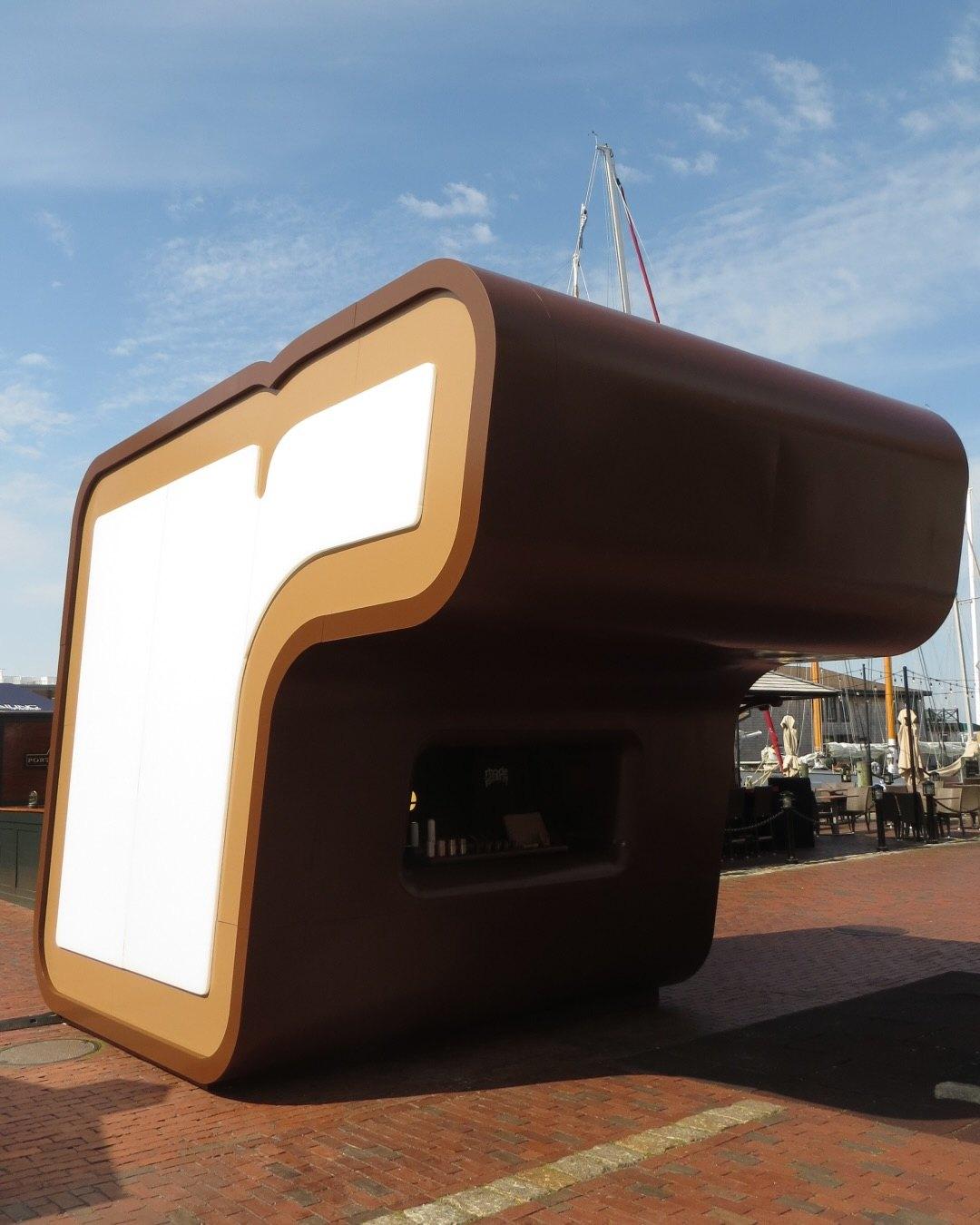
Rhode never shared attendance or sales numbers, but its next stop showed a change. Soon after the Dallas pop-up opened in late June, Rhode posted on Instagram Stories that it was "testing out timed entry to help manage capacity and keep your wait time in the sun as short as possible," D Magazine reported. The way I read it, the wait itself wasn't the real problem. A wait that ended at a sold-out sign was. When supply runs short, match tickets or wristbands to your stock, not just your space.
2. Duolingo set its target before the doors opened
In August 2024, Duolingo opened a three-day pop-up shop in New York, and the price of entry was a Duolingo lesson, Modern Retail reported. Inside, a board tracked guests' streaks, and every 30 minutes the longest streak won a jumbo plush of Duo, the owl mascot. The company described its larger goal as making Duo "as famous as Pikachu."
Duolingo also set its scorecard before opening. The shop would count as a success if it sold out of about 7,000 items, and the company expected 3,500 to 5,000 visitors. I couldn't find a published final count, but the target was public before the first guest walked in, and the entry fee, a lesson, was the product itself. My Duolingo breakdown covers how the brand built Duo into a strategy.
3. Bloom met festivalgoers where they could buy
For Coachella weekend in April 2026, Bloom Nutrition wrapped a 7-Eleven near the Palm Springs airport in pink, with DJs, samples, and an airbrush merch station, Modern Retail reported. CEO Greg LaVecchia called it "the ultimate way to break up a road trip."
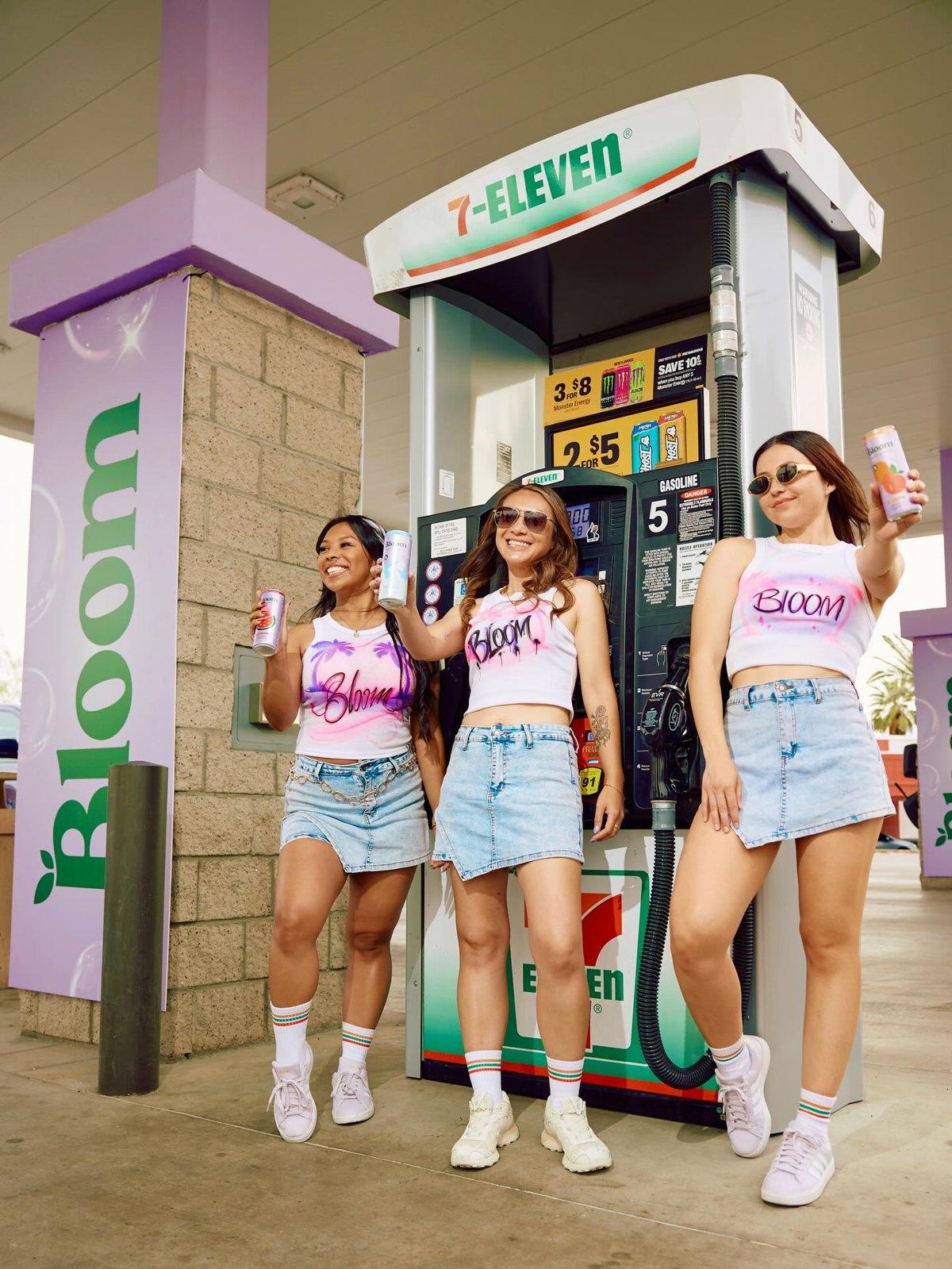
The location did more than set the scene. Bloom's energy drinks were launching in 7-Eleven stores nationwide, so festivalgoers met the brand inside the chain where they could soon buy it. Bloom said it would measure the stop less by foot traffic and financial return than by awareness, social chatter, and virality. Hosting it where the product is sold gave even an awareness event a built-in next step.
4. Minty designed its pop-up for social sharing
During Miami Swim Week in 2026, Minty, an AI shopping app, opened a pop-up in the Wynwood arts district, Event Marketer reported in July. Minty built the space for photos, with partner-branded selfie mirrors and a butter-yellow floral dog installation that drew long lines of people waiting to take pictures. Guests who downloaded the app got free drinks, and QR codes around the market unlocked event-only deals from partner brands.
The pop-up drew 3,000 participants and generated 40 million impressions from creators and press. Minty's CMO, Rodney Mason, summed up the takeaway for other brands: "I would highly recommend having some kind of mobile interaction." To me, the smart part is the pairing: the photo spot drew people in, and the app gave them something to do next.
5. Bloom collected names at the Treat Shoppe
Bloom ran a different kind of event in September 2025. At its Treat Shoppe pop-up in SoHo, it launched its community on TYB, a fan rewards app, and set up an on-site sign-up booth. TYB's case study reports that 5,500 people joined Bloom's community in the first month and 13,000 signed up for email. Those are the vendor's numbers, but the setup is easy to borrow: a reason to leave contact info, like early access or a discount, and a fast way to do it.
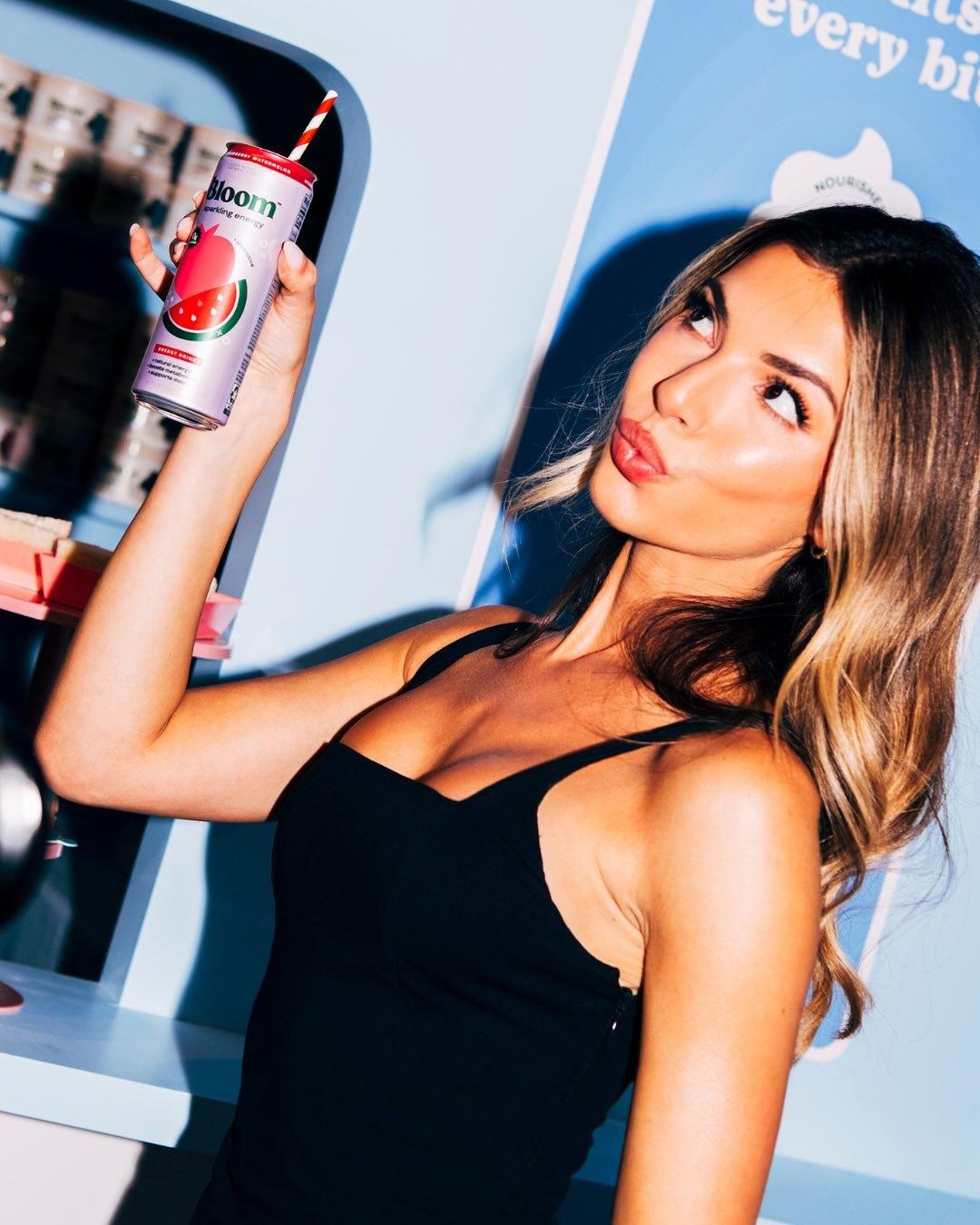
Compared with the Coachella stop, the Treat Shoppe did something different. The 7-Eleven stop built awareness, while the Treat Shoppe left Bloom with people it could reach again the following week. My Bloom breakdown goes deeper on how the brand runs its events.
6. Graza's refill day paid off months later
On May 18, 2024, Graza hosted a free afternoon at McCarren Parkhouse in Brooklyn, where fans could bring their empty squeeze bottles for free olive oil refills, Time Out reported. It marked the launch of Graza's refill cans, which went on sale at select Whole Foods stores nationwide and on its site, Fast Company reported.
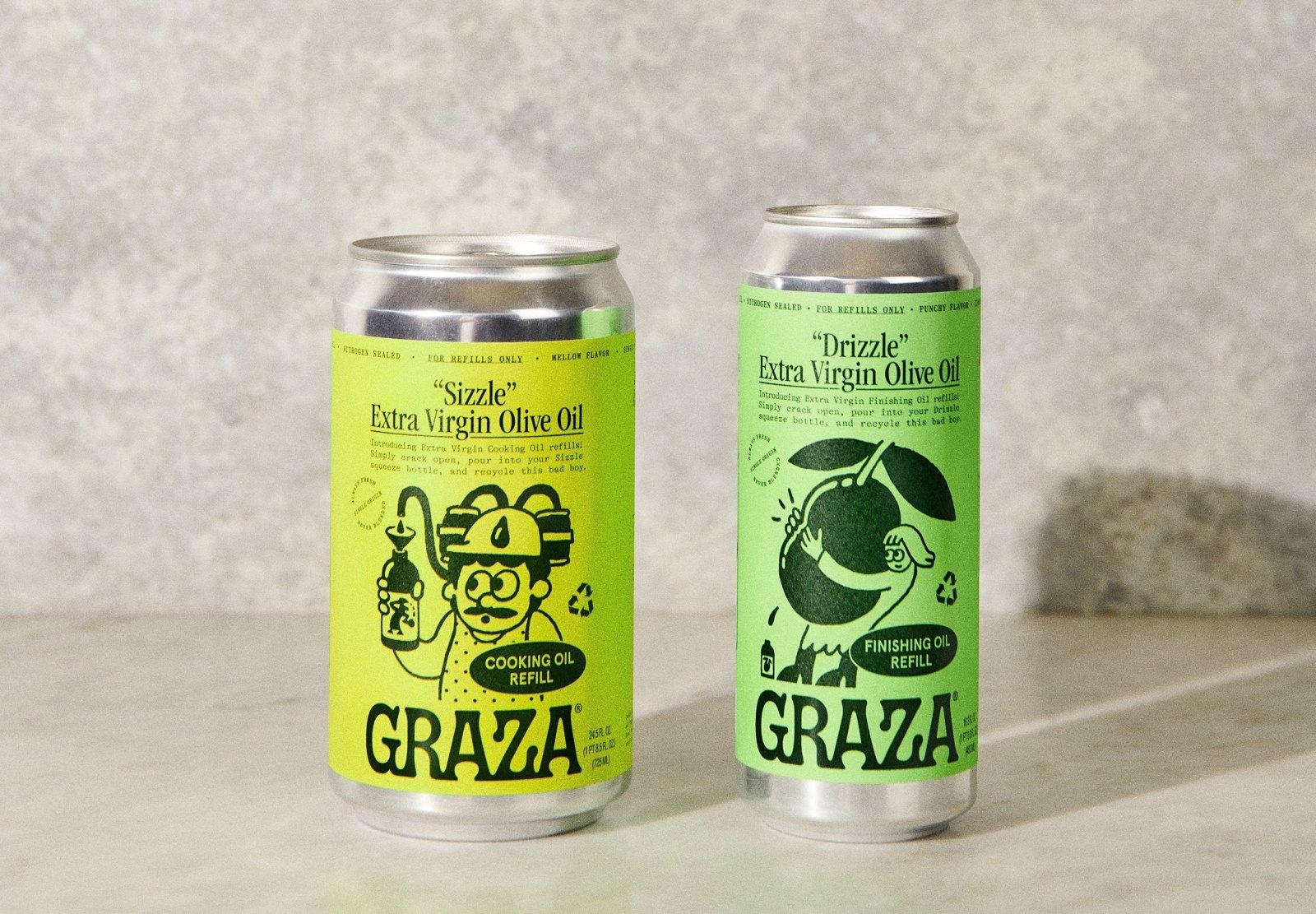
Graza never published numbers from the event itself. The clearest result came almost a year later, when CEO Andrew Benin told Nosh that the refills "could not be going better," with online adoption "incredibly strong" and "more and more retailers" carrying them. The event kicked off the launch, and the proof arrived months later in online adoption and new retail partners. My Graza breakdown covers the rest of its launch strategy.
7. Soft Life Ski designed for first-timers
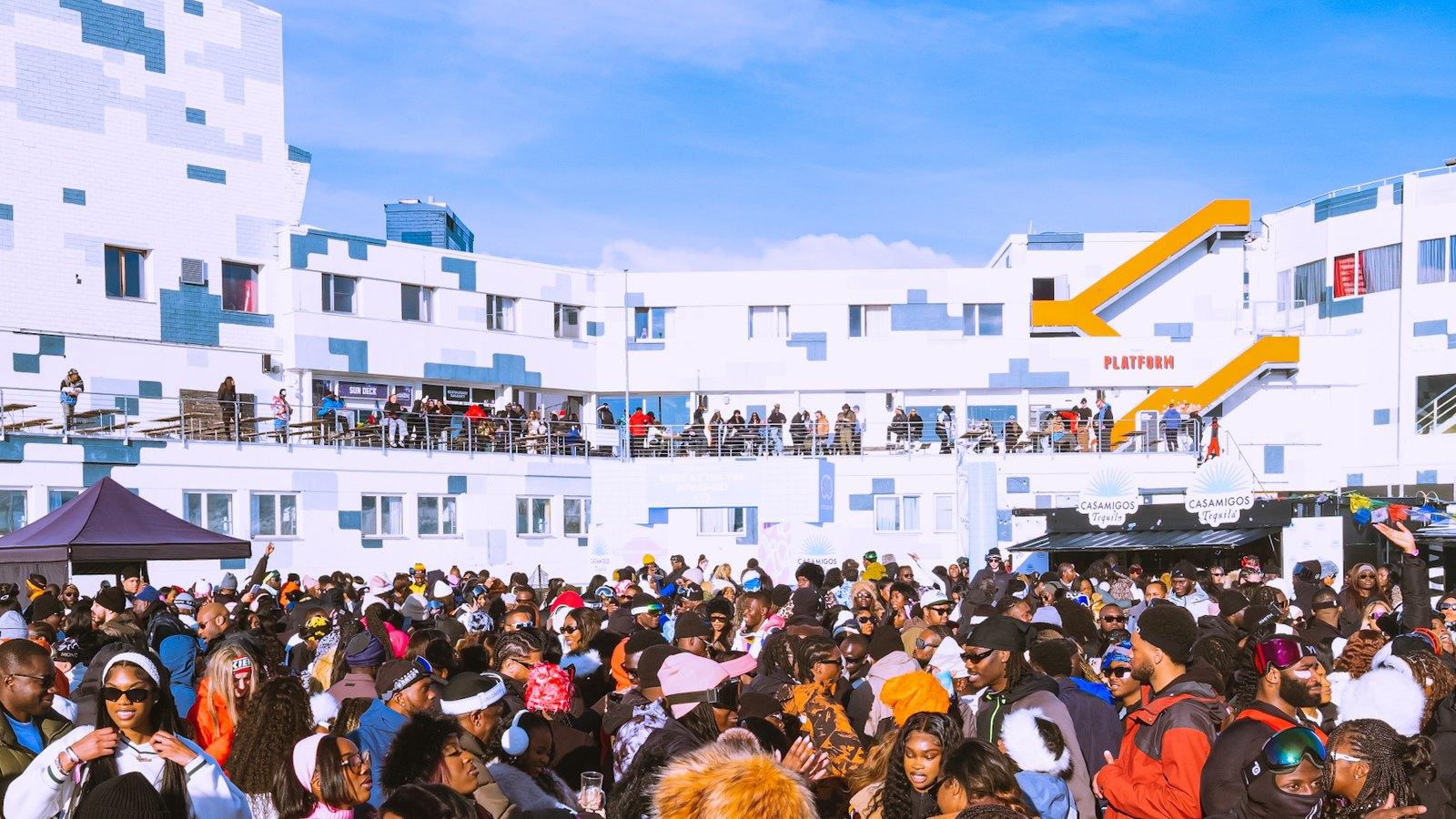
Soft Life Ski is a festival that works to bring Black and ethnic minority communities to the slopes. Its 2025 trip to LAAX, Switzerland, welcomed more than 900 guests, and the resort said 82 percent were skiing or snowboarding for the first time, SnowsportsNews reported. The trip sold out in seven minutes, and the festival set its 2026 edition for 1,500 guests.

The planning for newcomers shows up in the details. For an indoor slope day at The Snow Centre in Hemel Hempstead, outside London, guests rode free buses from East London, Indoor Snow News reported, and the festival's own Instagram post dates it to August 2025. People try something new when they know they'll belong and getting there is easy, and Soft Life Ski plans for both.
What these experiential marketing examples have in common
The events with clear results planned for what people would do after they showed up. Minty and Bloom's Treat Shoppe built that next step into the event itself, with app downloads and a sign-up booth. Duolingo wrote its target down before opening. Graza found its proof months later, in online demand and new stores. Rhode's line got attention, and the fix came at the next stop.
You don't need a mall or a festival to borrow any of this. Decide what you want guests to do once they leave, whether that's buy, sign up, post, or come back, and plan the event around it.
FAQ
What is experiential marketing?
Experiential marketing gives people something to do with a brand in person, like a pop-up, a sampling event, or a game-day activation, instead of only showing them an ad.
How do you measure experiential marketing?
Set one target before the event, tied to what you want people to do, such as sign-ups, sales, social posts, or repeat visits. Then count that number during and after the event and compare it with the target.

Written by Angel Phommachan, digital marketing specialist