Owala vs. Stanley: New Colors or New Products?
Owala sells the same FreeSip in a new color every month. Stanley is building bags, coolers, and soccer collections around the Quencher. What each costs.

Stanley and Owala both make a bottle people line up for. When demand for its famous cup started to cool, Stanley began making backpacks and coolers. Owala kept selling the same bottle in a new color almost every month.
Every brand with a best-seller eventually has to decide what to sell next. Owala vs. Stanley shows the two answers side by side: refresh the product fans already love, or build new products for people you haven't reached yet. What makes the comparison useful is how far each choice reaches. It shapes the products, the ads, and even the blog posts, so you can read a brand's strategy from what it puts in front of you.
| Stanley | Owala | |
|---|---|---|
| Signature product | Quencher tumbler | FreeSip bottle |
| Built for | Cars and desks: a handle and a cup-holder base | Bags: a sealed lid Owala calls leak-proof |
| What comes next | New categories: bags, coolers, soccer collections | A new limited color, about once a month |
| Time to launch | About 24 months of development per product | A monthly calendar, dates set months ahead |
| Who it reaches | New audiences, including men | Fans who already own one |
| Where the marketing sends you | Collection pages, heritage and lifestyle stories | One product page, behind-the-design stories |
| The risk | Each launch has to succeed on its own | Everything depends on one bottle |
How Stanley turned a work cup into a craze
For most of its more than 110 years, Stanley marketed to workmen and outdoor enthusiasts, Retail Dive reported in 2023. That changed when The Buy Guide, a shopping blog founded by three women, wanted to sell the Stanley Quencher. Stanley required a wholesale order of at least 10,000 cups. The blog sold the first 5,000 in about four days and the next 5,000 in an hour.
From there, the Quencher became an everyday cup, sold largely by women to women, and fans collected new colors and limited-edition drops. Stanley's revenue grew from $73 million in 2019 to an estimated $750 million in 2023, Fast Company reported.
Why Stanley is building past the Quencher
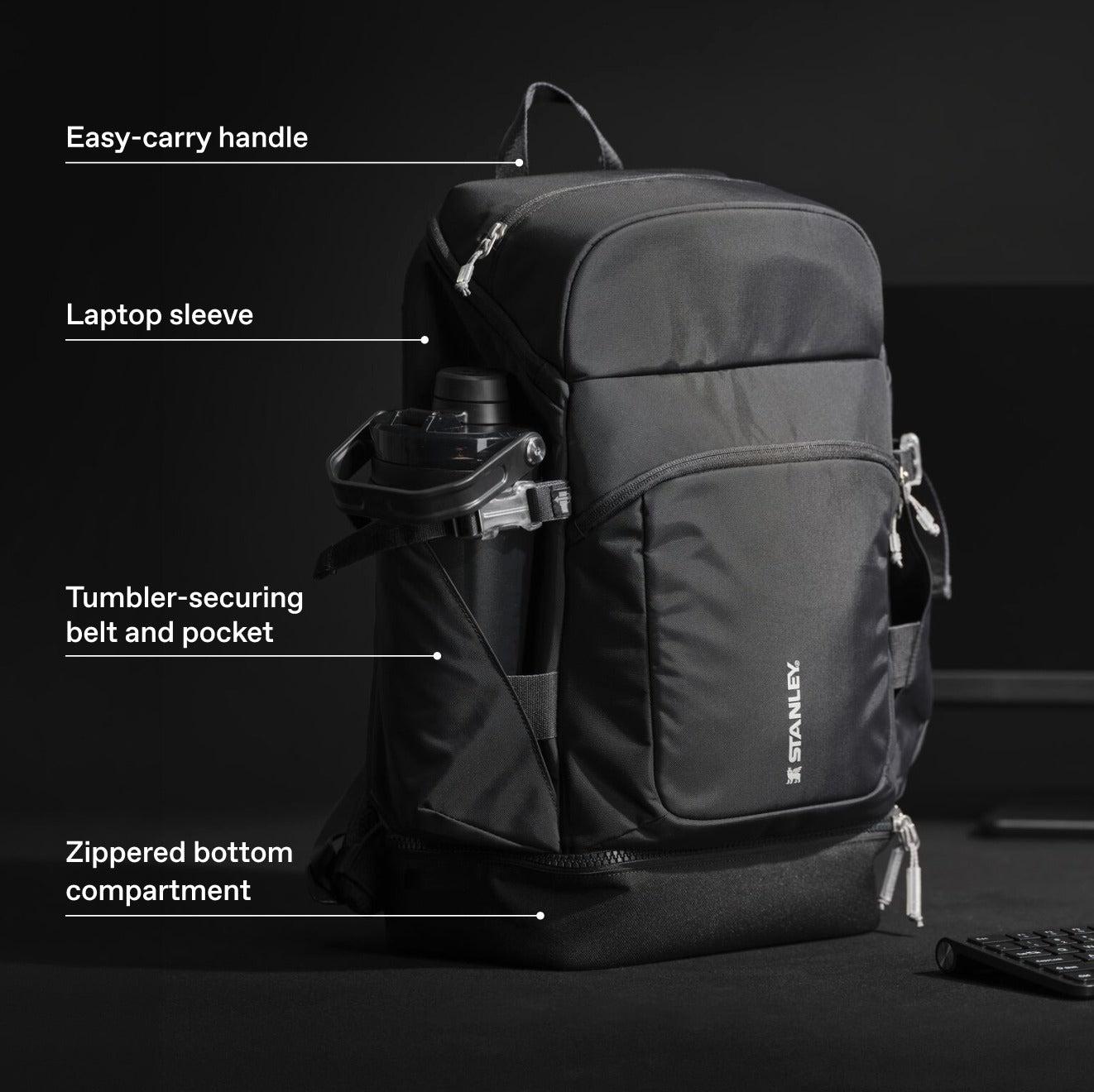
The craze has cooled. At a March 2025 event, CEO Matt Navarro described "a settling of the hydration category in the U.S., in particular," Fast Company reported. Stanley's answer is new products. Between mid-February and mid-April 2026, it launched the Vitalize Collection of backpacks, totes, and shaker bottles, plus the Clutch Bottle and the Flowstate Spring Bottle, Modern Retail reported. For the 2026 World Cup, it released the Messi Gold Collection, its fourth collaboration with Lionel Messi, who has carried a Stanley for his mate since childhood, The Drum reported.
Those launches came from research, not guesswork. A global survey of Stanley's customers showed that soccer was their top sport of interest, even in the U.S., chief brand officer Kate Ridley told The Drum. Each new product then goes through research and development that usually takes about 24 months, and the brand's newest cooler took 36. The Drum described the brand's next step as selling the cup "to men again, too." It's the same kind of audience insight I wrote about in how the Utah Mammoth got its name.
Ridley put the goal plainly: "We don't feel tethered to it." The shift already shows outside the U.S. In Europe, the Middle East, and Africa, the Quencher made up 28% of Stanley's revenue last year, and that share is "sharply declining because of massive diversification," general manager Ben James told The Drum.
How Owala's Color Drops keep fans coming back
Owala takes the opposite approach. Its parent company, Trove Brands, started in a Utah living room, Fortune reported, and instead of new categories it keeps refreshing its best-known bottle, the FreeSip, through limited-edition colors called Color Drops. A new drop launches every month, the date is announced months in advance, and some drops sell out in an hour or less, Chowhound reported in March 2026. By early 2025, Owala had released hundreds of them, according to Fortune.
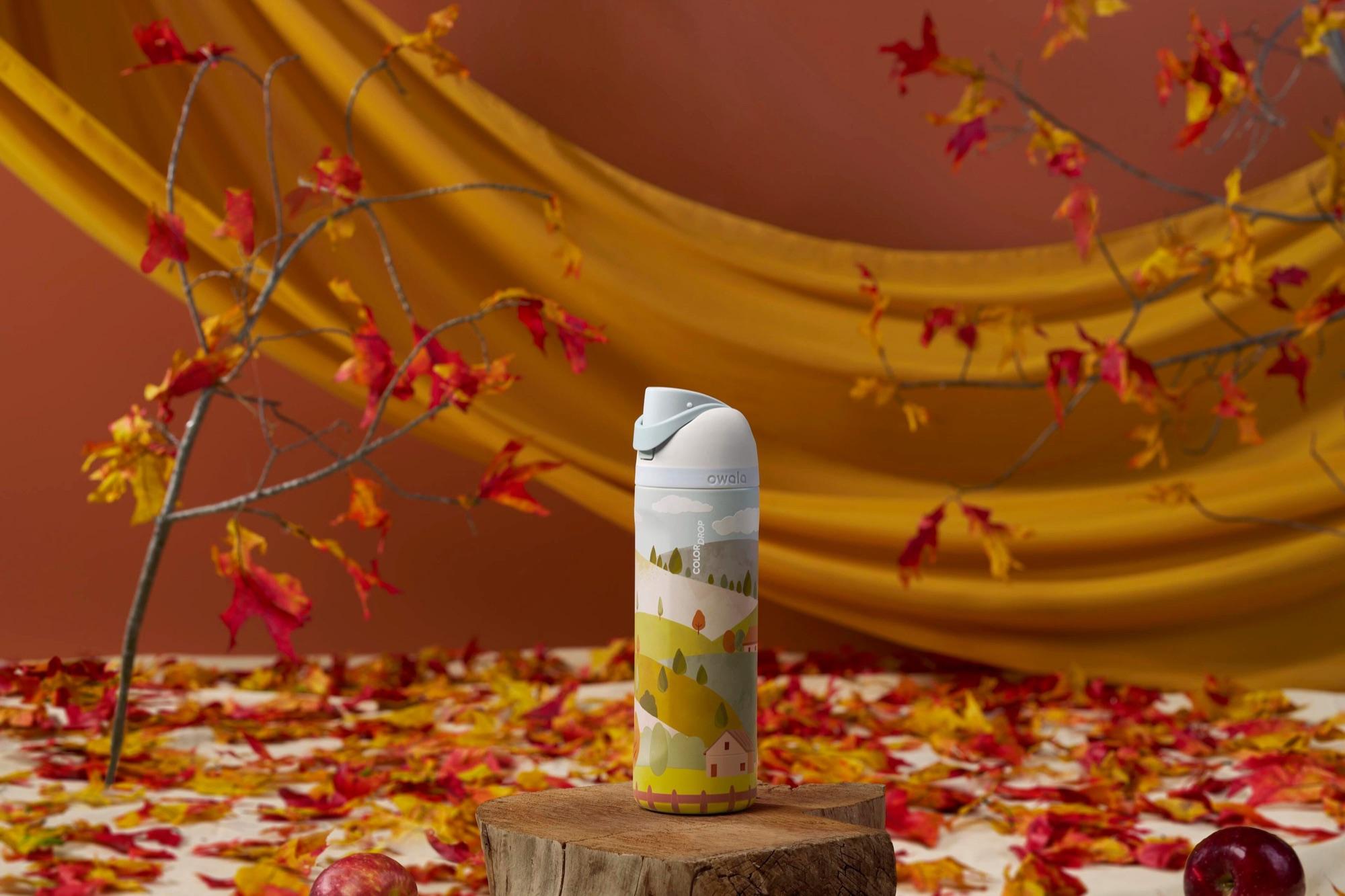
Owala built the scarcity with care. The Color Drop FAQ warns that drops "will sell out lightning fast," but any drop that sells out in an hour or less opens for backorders until 10 a.m. MT the next day, with shipping in 10 to 12 weeks. Color Drops are also excluded from discounts. The way I read it, Owala keeps the rush of a limited release without turning away the fans who missed it.
The schedule gives people who already own an Owala a reason to buy another one. Suzie So, who moderates the 22,000-member r/Owala community on Reddit, told Fortune that drops sell out "pretty much within less than an hour," and then "the aftermarket picks up." Fans don't need a new product to come back. They need a new color and a date on the calendar.
Is Owala more popular than Stanley?
The clearest comparison comes from ASI, which tracks searches on ESP, a platform promotional-products companies use to source branded merchandise. In 2025, Owala was ESP's fastest-growing search term for the second year in a row, up 60%, while searches for Stanley fell about 50%, ASI reported.
That number comes with a limit. ESP shows what companies want to put their logos on, not what everyday shoppers buy, so it measures momentum more than sales. Neither brand publishes full sales figures, and Stanley declined to share recent numbers with Fast Company. The shopper-side signs, from monthly sellouts to the backorder system, point the same way, but they are signs, not totals.
How the bottles, ads, and blogs differ
The two products also do different jobs. The FreeSip is a sealed bottle that Owala calls leak-proof, with a spout you can sip from or tip back and drink from. The Quencher is a tumbler with a big handle and a narrow base that fits most car cup holders, and its lid resists splashes instead of sealing shut. When House Beautiful tested both in 2025, the writer tossed the Owala into a tote bag with a laptop, while the Stanley won on its handle, cup-holder fit, and dishwasher-safe body.
That difference helps explain each strategy. The FreeSip's design already sets it apart, so a new color is enough to give an owner a reason to buy a second one. The way I read Stanley's new backpack, it sits between the two strategies. It's a new product, but it solves a problem the Quencher has by giving a cup that was never meant to go inside a bag a place to ride along.
Their ads follow the same split. In Replo's roundup of each brand's top Meta ads, Stanley's ads announce seasonal collections and send shoppers to a collection page. Owala's ads lead with one new color, with lines like "Hey, new color," and send shoppers to that single product page. Neither brand leads with a discount.
Their blogs split the same way. Each brand's highest-traffic posts are practical, like how many ounces are in a liter or a gallon, according to Ahrefs estimates. Past those, Owala's top posts tell the story behind its designs, from Disney and Star Wars collaborations to its 2025 Holiday Collection, where the team says it wanted designs people could use long after December. Stanley's top posts lean on heritage and range: the story of its bear logo, how its unbreakable bottle has changed since William Stanley invented it in 1913, and guides to types of water bottles and what to keep in your car. That matches how Ridley described the brand to The Drum: "a premium lifestyle brand, not a drinkwear brand."
Owala vs. Stanley: which strategy works?
Both brands have used limited colors. Stanley's colorways helped turn the Quencher into a collectible. The difference is what came next: Stanley used drops to build buzz, then moved into new products, while Owala turned drops into a monthly calendar.
New colors keep current fans buying, and they move fast. Owala can release a color every month, while a new Stanley product usually takes about two years to develop. The risk is that the whole strategy rests on one bottle. If people lose interest in the FreeSip, I doubt a new color would bring them back.
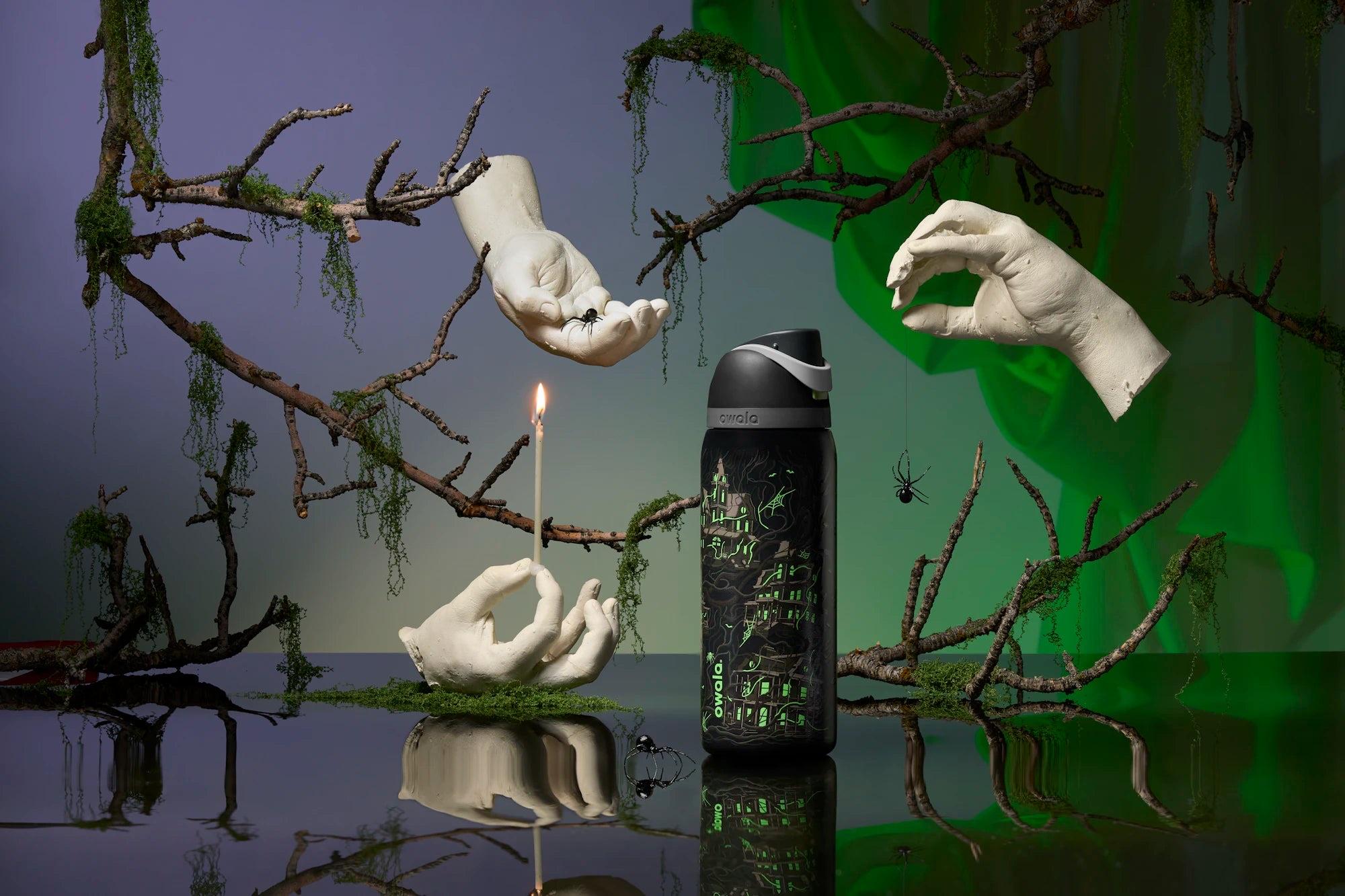
New products reach new customers. Stanley's soccer collections build on what its own customers said they care about, and The Drum ties them to the brand's push to reach men again. The tradeoff is time, since each launch takes about two years to build and has to succeed on its own.
New colors or new products?
As I see it, the right choice depends on where a brand's next customers are. Owala's fans still want more FreeSips, so a new color is enough to bring them back. Stanley's Quencher had already reached many of the people who wanted one, so the brand is building for people who haven't bought from it yet. Neither brand has to pick one strategy forever. Each has to know which stage it's in, and then carry that choice into everything it puts out.
The next time Owala announces a drop or a Stanley ad shows up in your feed, follow the link and notice where it takes you: to one bottle, or to a whole collection. Then ask the question both brands had to answer. If you ran a brand with one best-selling product, would you refresh it or build something new?
For another pair of brands taking opposite routes, read Liquid Death vs. Poppi: Marketing a Fact vs. a Promise.
FAQ
What is an Owala Color Drop?
A Color Drop is a limited-edition color of an Owala bottle. A new drop launches about once a month, Owala announces the dates in advance, and a drop that sells out in an hour or less opens for backorders until 10 a.m. MT the next day.
Is Owala more popular than Stanley?
Neither brand publishes full sales figures. On ESP, a search platform promotional-products companies use, Owala was the fastest-growing search term in 2025 while searches for Stanley fell about 50%, according to ASI. That data reflects corporate buyers more than everyday shoppers.

Written by Angel Phommachan, digital marketing specialist