Duolingo Social Media Strategy: The Team Behind the Owl
Duolingo's social media strategy made Duo famous with a tiny team and a one-week clock. Genius or a fragile one-person bet? The evidence and my verdict.
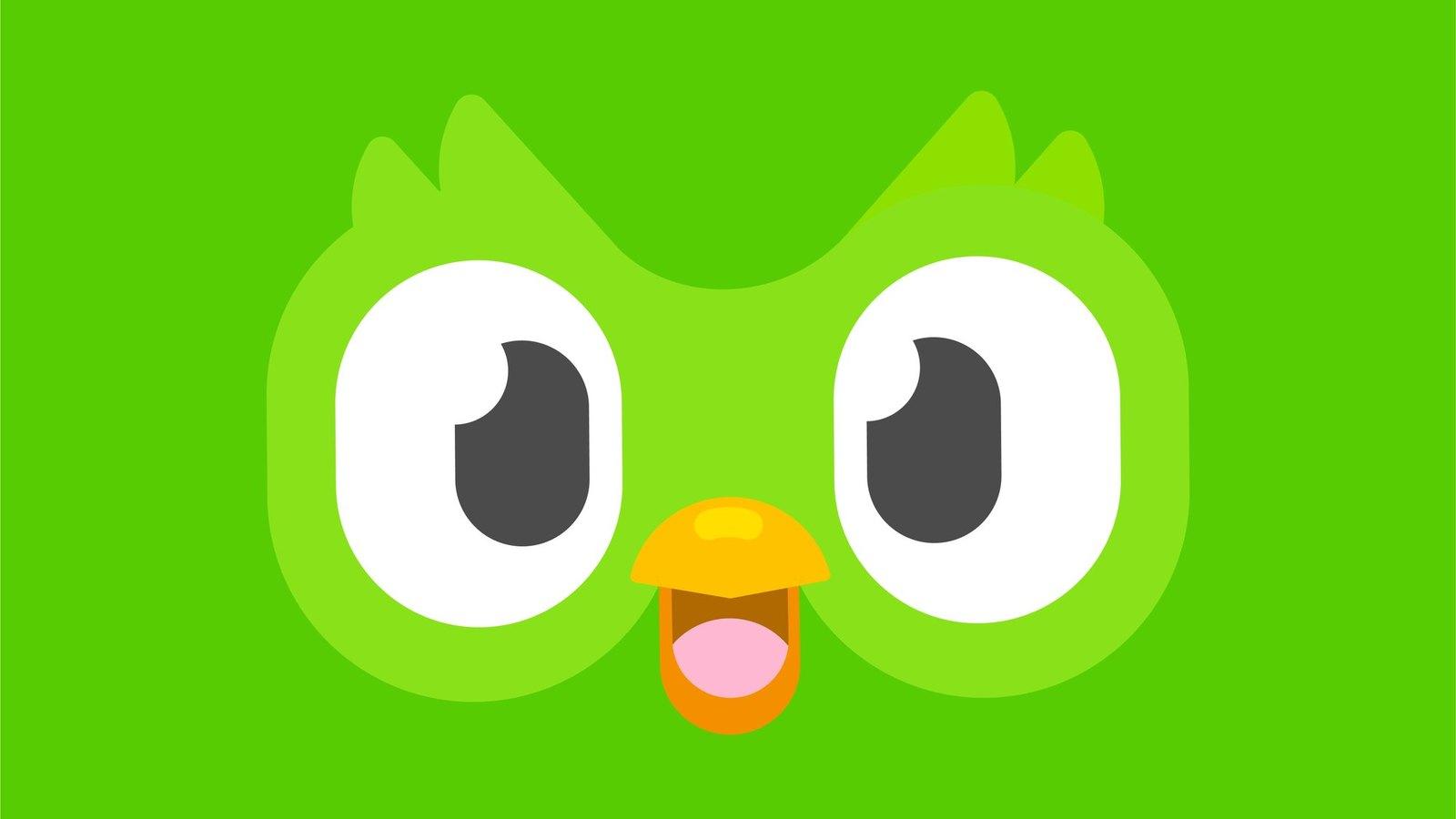
On February 11, 2025, Duolingo announced that Duo, its green owl, was dead, and told fans "he probably died waiting for you to do your lesson, but what do we know," NPR reported. That post is Duolingo's social media strategy in a single move, and it sits in the middle of an argument marketers keep having. One reading says the unhinged owl is the best brand voice on social, and the other says it was a fragile bet on one overworked person. The evidence backs both, so this post ends with a verdict.
The short version
- Duolingo's TikTok was built by one coordinator with permission to experiment, and by 2025 a team of three still worked on a one-week turnaround with light approvals.
- The Dead Duo stunt ended inside the app: fans had to complete lessons to bring the owl back, and Duolingo says it lifted new users.
- The always-on pace wore down the person behind the account, and she left for DoorDash in 2025. In 2026, Duolingo began spreading its voice across hundreds of creators.
- My verdict: the voice was genius and the staffing was the fragile part, so the creator shift fixes the right problem.
Here is the announcement as it ran on Instagram. Notice that the first paragraph plays it completely straight, so the joke about your lesson lands harder in the second.
What is Duolingo's social media strategy?
Duolingo's social media strategy is fast, reactive comedy told through one character. Duo, the app's famously pushy mascot, does the talking, and the team behind him answers the internet within days. Marketers call the style "unhinged" because the posts look like nobody approved them.
That approach took Duolingo's TikTok from 50,000 followers to 16 million in a little over four years, The Drum reported in February 2025. "A lot of our social is just what our community wants us to do," Zaria Parvez, then Duolingo's senior global social media manager, told the outlet. "We're very fast with reaction. It's a priority." By January 2026, a Brand24 social media audit counted 16.3 million TikTok followers and engagement above 4 percent on YouTube, X, TikTok, and Instagram.
Those numbers explain why Duolingo is the go-to example of a brand on TikTok. They don't explain how a language app got permission to post like this, and that permission is the part you can copy.
Who runs Duolingo's social media?
For most of its rise, the answer was one person. Parvez joined Duolingo in 2020 as its sole social media coordinator, The Drum reported. The CEO doubted TikTok would matter, she recalled, but she got the go-ahead to experiment, and the early videos took off.
A November 2021 TikTok shows the early tone: a shaky shot of Duo's orange feet under the text "when the CEO is out of office," captioned "no owls were harmed during the making of this film." Notice how the joke plays on the freedom the team was actually using.
By 2025 the team had grown only a little: Parvez plus two social content creators, backed by contractors and the brand department's art and copy staff. Work stayed in-house because agencies moved too slowly. "Turnaround time is a week. I'm not waiting two months," Parvez told The Drum. Legal and executives allowed lighter approvals than most brands, and a mascot specialist who used to work for Sesame Street advised on what Duo could and couldn't do.
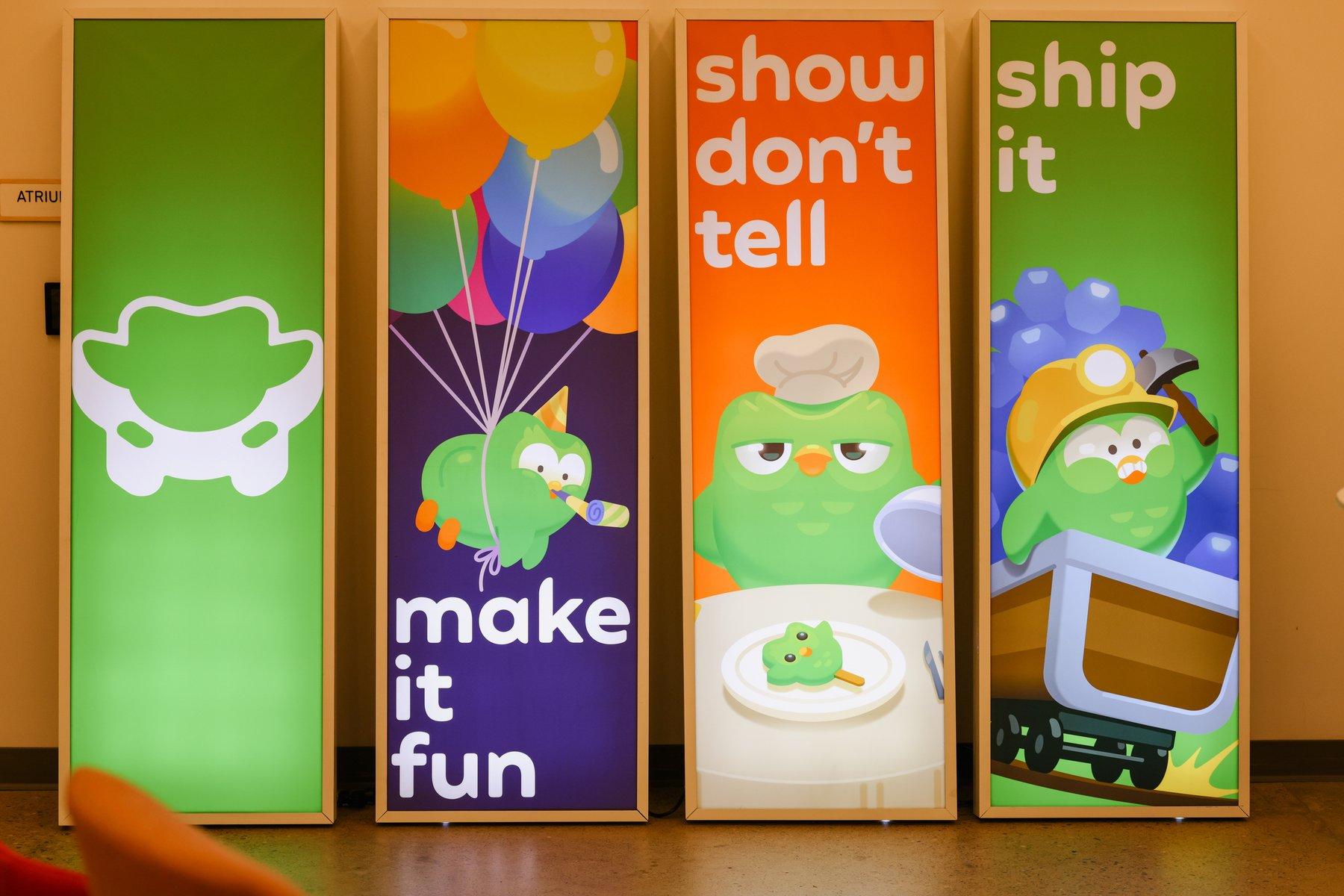
That is the real strategy. A small team gets a one-week clock while someone outside it guards the character's limits, so speed never waits on a meeting.
How did killing Duo pay off?
The best-known result of that setup is the February 2025 campaign where Duolingo "killed" its mascot. Duolingo swaps its app icon every six months because new users tick up when it does, Parvez told The Drum, so this time the team put X's over Duo's eyes and built a story around the icon. It went from concept to execution in six days.
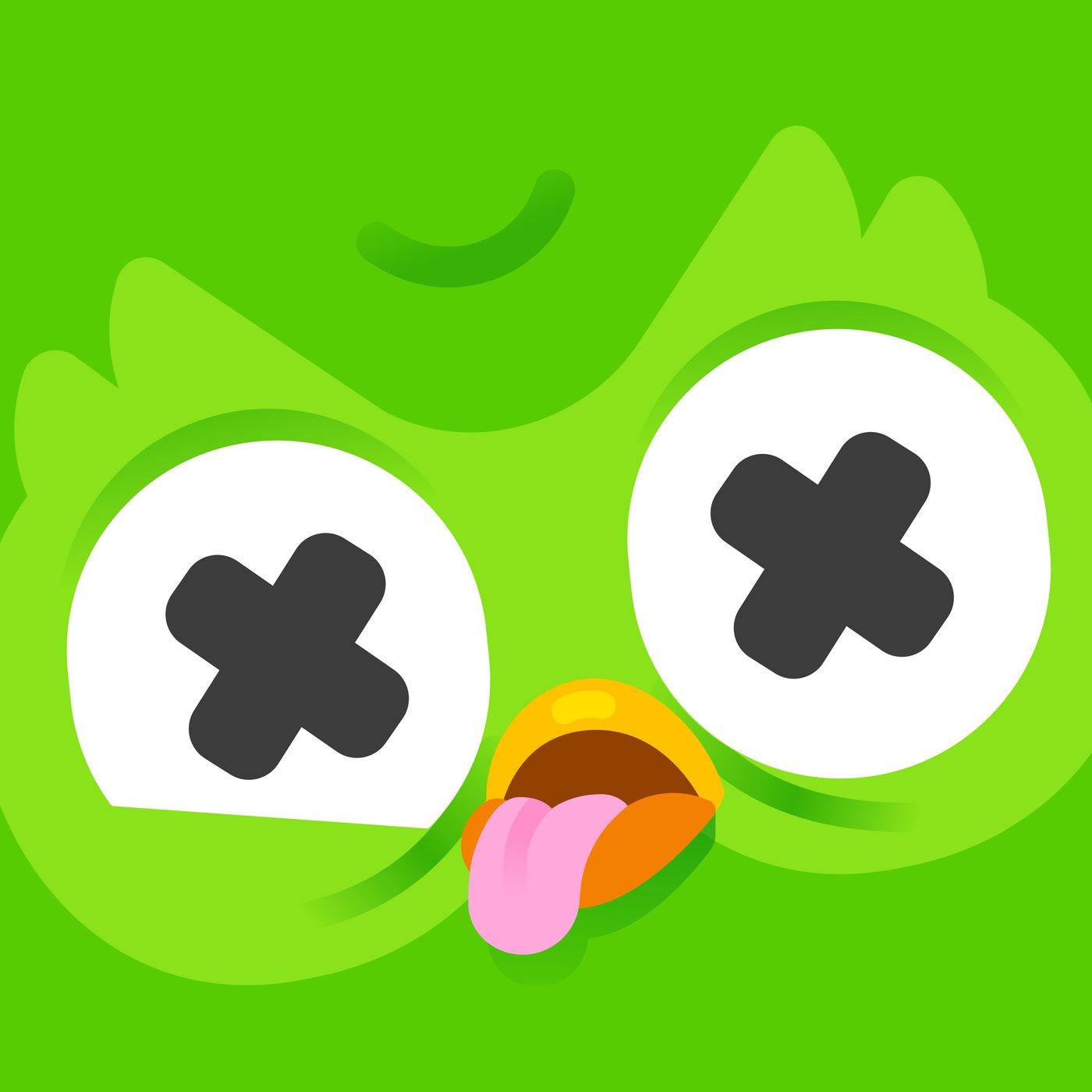
On February 11, 2025, the account posted "RIP DUO" on TikTok. Notice who carries the body bag: two of Duolingo's other characters, so the announcement plays as a scene in an ongoing story.
The ending is the part to study. On February 17, Duolingo sent fans to a site with a goal of 50 billion XP, the points people earn for completing tasks in the app, as the price of bringing Duo back. Users earned 50,921,342,438 XP, NPR reported in February 2025, and Duo returned a week after the site launched. In its Q1 2025 shareholder letter, Duolingo said it "spent practically nothing" on Dead Duo, which generated 1.7 billion organic impressions and "drove a meaningful lift in new and resurrected users."
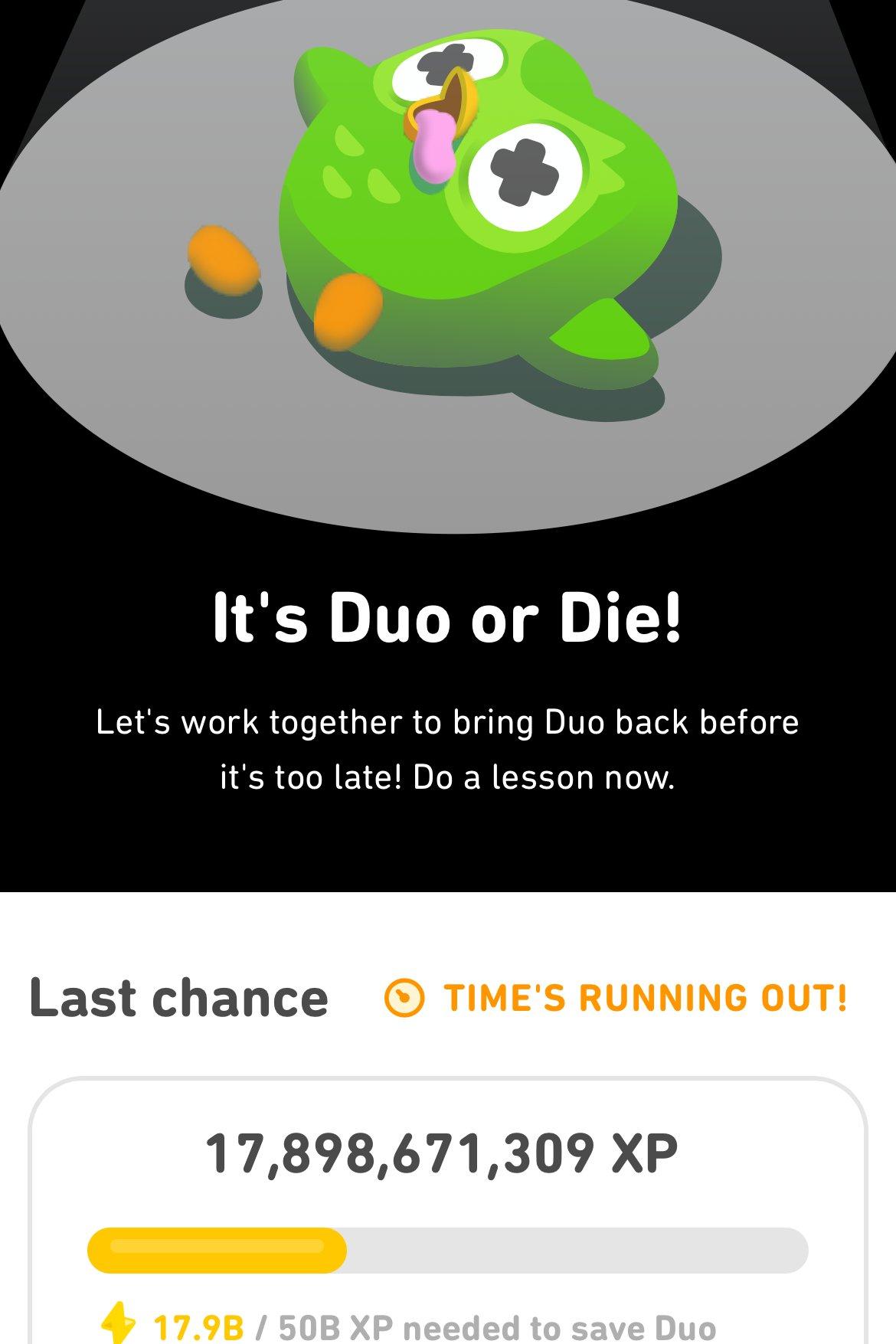
A meme can't make someone open an app, but a countdown that only moves when people do lessons can. That is why the payoff showed up in usage.
Steal this: end the stunt inside your product, so the only way to join the story is to use what you sell.
How Duolingo ties social posts to new users
The stunt reflected a change in what counted as a win. "Before, it was about impressions and press hits. Now, it's about what are the actual new user numbers that are coming," Parvez told The Drum. The link came from a "How did you hear about us?" question in app onboarding, which showed new users rising whenever a video went viral.
Paid search hands you that answer. On my Google Search campaign for a Thai restaurant, Google Ads counted every call and online order for me. Organic social has no built-in receipt, so a one-question survey is the cheapest way to get one, and it buys the team room: the CEO who once doubted TikTok was now asking for content that was "more unhinged," The Drum reported.
What the always-on pace cost
The setup had a weak point, and it was the person carrying it. In 2024, Parvez took medical leave after feeling "confused and exhausted" from the anxiety of managing Duolingo's accounts, The Drum reported in September 2025. "So much of our job is being 'always on,'" she said, "and by being always on, you can get those bigger wins." She added that she "grind-ed" because she wanted to grow fast, "and it was working."
She was "junior enough that a lot of people struggled to see me as a leader yet innovative enough that people depended heavily on my work," she said on a Link in Bio podcast The Drum quoted. By that September she had become director of social at DoorDash, leading eight content creators, and wanted to "see what it looks like when social is fully staffed."
I read that as a staffing problem. When a brand's voice depends on one junior person working at viral speed, the brand carries a risk it never budgeted for, and the bill comes due the day that person leaves.
Why Duolingo's social media strategy is changing in 2026
The voice also took a hit no social post caused. In spring 2025, a memo from CEO Luis von Ahn said Duolingo would "gradually stop using contractors to do work AI can handle," and commenters "piled on to bash AI on every recent post" on the brand's TikTok and Instagram, Fortune reported in May 2025. The audience that made the owl famous was now using his comments to argue with the company.
A year later, Duolingo started changing course on social. In June 2026, Mark Ritson wrote in The Drum that the company was dialing back its "unhinged" approach and leaning on creators instead, after Duolingo said organic reach on TikTok had declined. He called the move "Duolingo stupid."
Duolingo's own Q2 2026 shareholder letter describes the shift in calmer terms. Its social accounts still pass one billion organic impressions each quarter, but "we now also work with hundreds of creators around the world to generate content and introduce Duolingo to new audiences." In China, Indonesia, and India, roughly two thirds of its social impressions have come from influencer content. The business is still growing, with second-quarter daily active users up 23 percent to 58.7 million.
So the owl is still posting, and he now has company. Whether that company helps or dilutes him is the real question about the next phase.
What to take from Duolingo's social media strategy
You don't need an owl for any of this. These are the moves I'd build into a brand account from day one:
- Give the writer a one-week clock. Agree on what needs approval before the trend shows up, so a good idea never waits on a meeting.
- Write the character down. Duolingo had a former Sesame Street hand guarding Duo's limits, and a one-page list of what your voice will and won't do is enough to start.
- End every stunt inside the product. Make the payoff reachable only by using what you sell, the way Dead Duo needed lessons to bring the owl back.
- Ask how people found you. One onboarding question turns viral views into a number your boss will fund.
- Train the second voice early. Bring in a second writer or creators while the first person still has the energy to teach them.
The catch: the owl was never the weak point
Ritson's argument is the easy read of this story. The owl built the brand, the reasoning goes, so handing the voice to creators means walking away from the thing that worked. I agree the owl is the asset. I don't agree that Duolingo is abandoning him, because the evidence says Duo never broke. The shareholder letter still counts more than a billion organic impressions a quarter from the brand's own accounts, and daily users are still climbing.
What broke was the setup. Duo's voice lived inside one junior person's head, that person burned out and then left, and the audience that loved the owl turned on the company over AI, which no amount of clever posting could fix. Hundreds of creators means the character no longer walks out the door with one employee. It is also a fitting answer to the backlash: after fans objected to people being replaced, Duolingo now works with hundreds of people to talk about the brand.
So my verdict on the two readings is plain. The unhinged voice was genius, and the staffing behind it was the fragile bet. The 2026 shift is the right fix, because it repairs the staffing and leaves the owl alone.
I'm less sure about the tone. The unhinged posts worked because they felt like one sharp writer with a point of view, and a crowd of paid creators may not earn the same trust. Growing through other people's audiences takes a clear core, which is how Fishwife made collabs its media plan without losing its voice.
If you run a brand account, try one test this month. Hand your voice guide to someone who has never posted for the brand and ask for three posts. If they can't sound like you, your voice still lives in one person, and that's the thing to fix before you chase the next trend.

Written by Angel Phommachan, digital marketing specialist