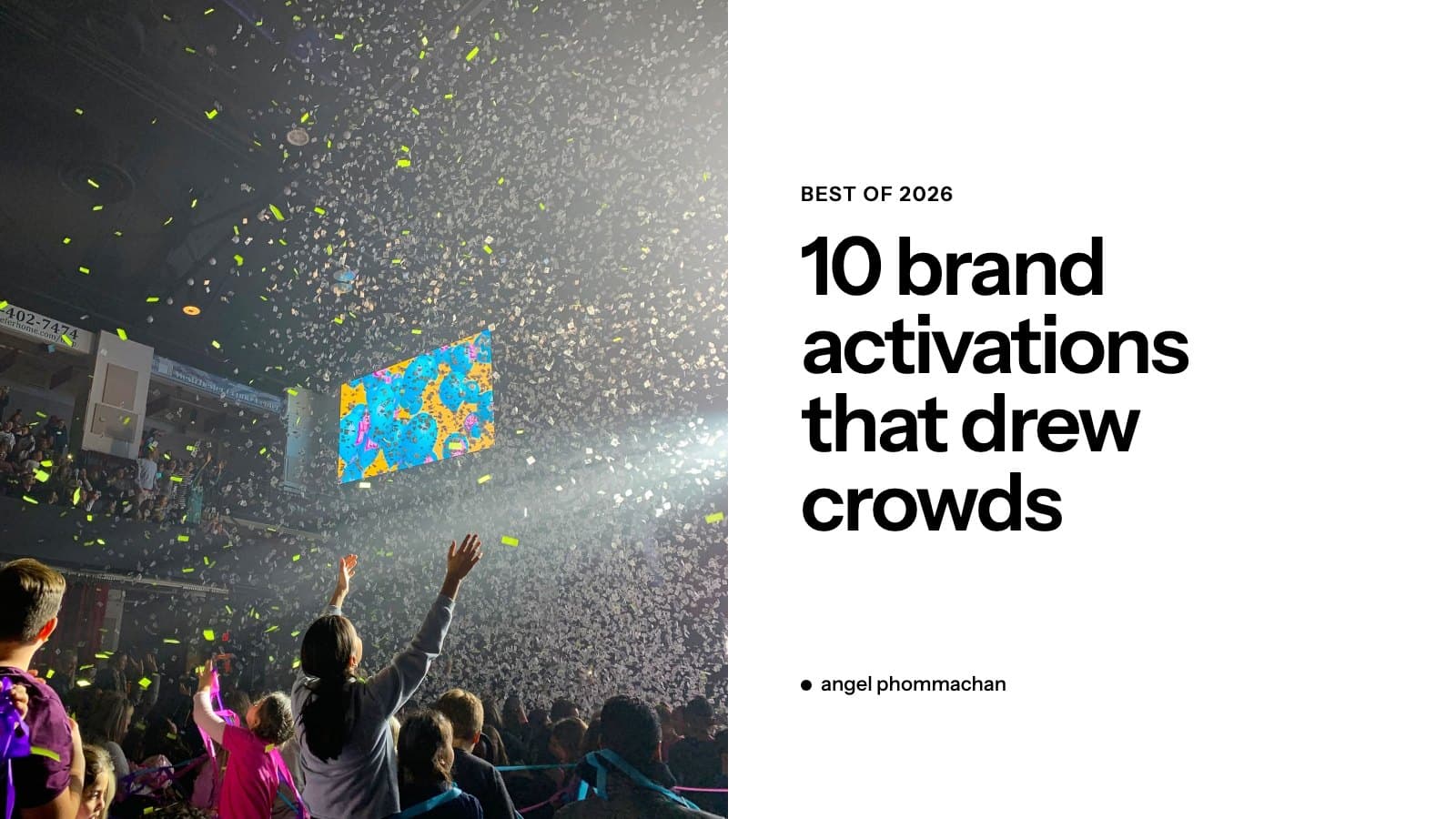
First-Gen and Figuring It Out: What I Wish I Knew
What I wish I knew as a first-gen college student: the unwritten rules, the people who helped, and what worked for me. Your path may look different.

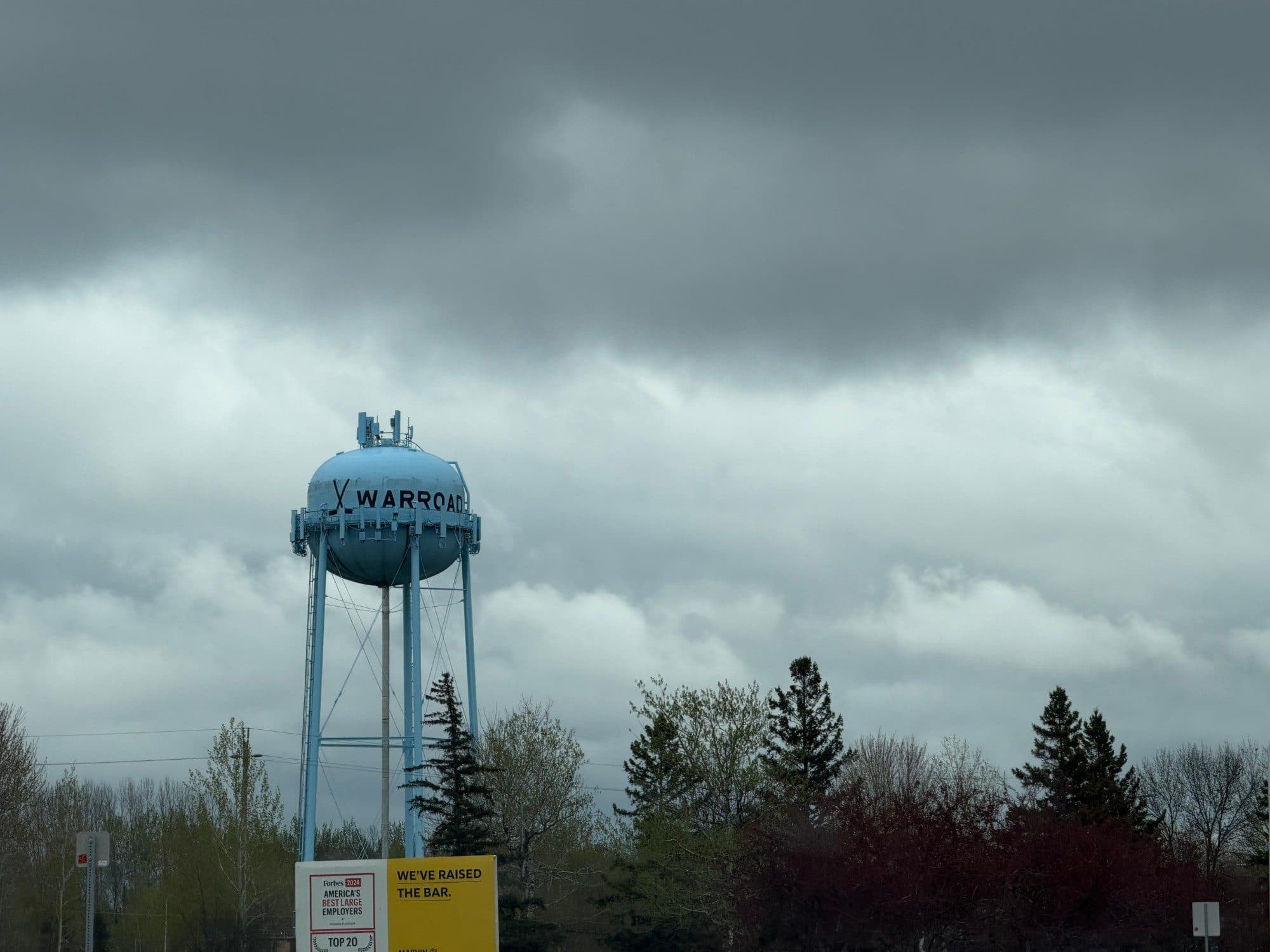
The night before I left Warroad, Minnesota, I packed everything I owned into my car.
My career as a first-generation college student started behind on information, not effort. Nobody hands you the unwritten rules: what office hours are for, how internships happen, who to ask. I learned them by doing the work, asking for help I did not know existed, and building the roles nobody offered me.
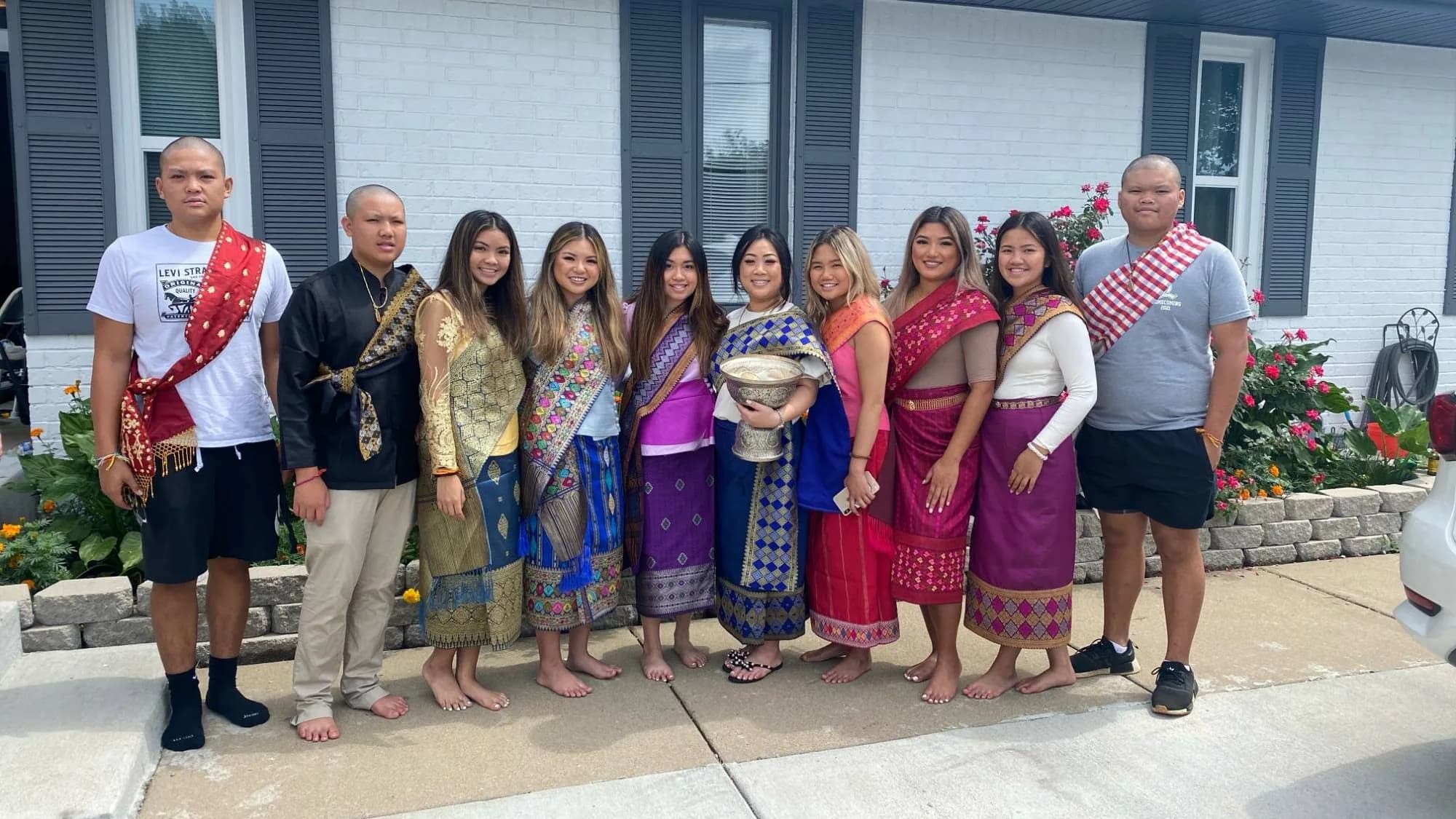
I was 20, Lao, and the first person in my family to go to college. My grandparents were sponsored to the United States. My parents were raised here. None of them had a degree to show me what this was supposed to look like.
Warroad is a town of about 1,700 people near the Canadian border, per a 2017 CBS News report. I worked at Marvin on the production line. Then I moved to Utah to start over. No one in my phone could explain what a FAFSA was.
I drove 20 hours through Wyoming.
What are the biggest career challenges for first-generation college students?
The biggest challenge is the information gap. Nobody told me that networking meant more than a business card, or that I could ask a professor for a recommendation.
The gap shows up in who gets internships. Handshake's 2025 Internships Index found 50 percent of first-generation college students took part in internships, against 66 percent of their peers. The American Council on Education reported those numbers in March 2025.
Federal research names the same gap. A 2018 National Center for Education Statistics (NCES) report found first-generation college students cannot draw on their parents' college experience, down to "what 'office hours' means." The gap hurt even first-gen students who arrived academically well prepared.
The first time someone asked what I wanted to do with my degree, I froze.
How do you build a first-gen career without a blueprint?
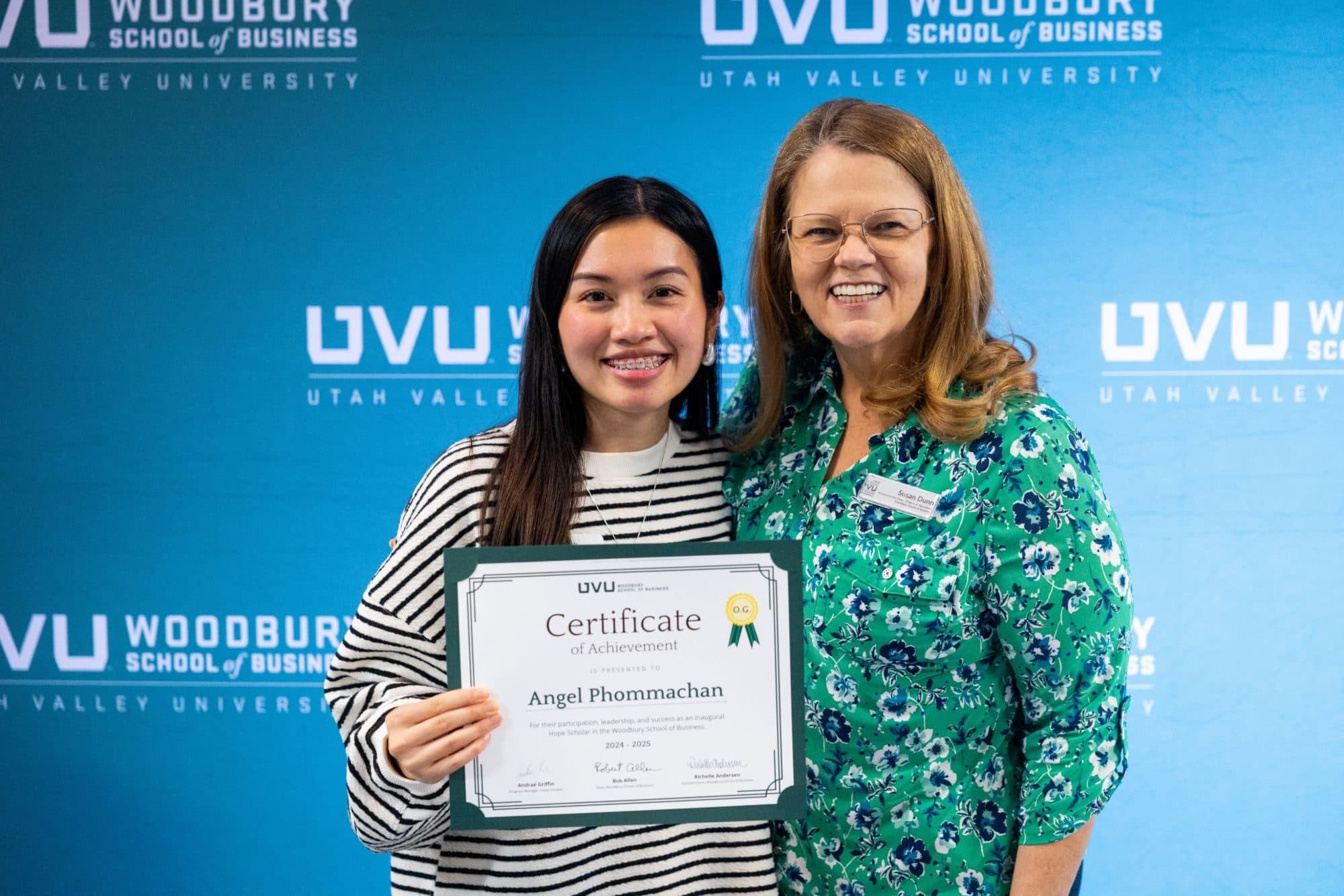
I started by finding the people paid to help. I enrolled at Utah Valley University's Woodbury School of Business with support from TRIO Student Support Services and the First Generation Center. In 2024, I joined the inaugural cohort of Hope Scholars, a scholarship and mentorship program for first-generation learners. It gave me a mentor and access to people already doing the work I wanted.
The Woodbury School of Business gave me a Certificate of Achievement for participation, leadership, and success as an inaugural Hope Scholar, 2024 to 2025.
Hope Scholars asked donors for money but had no Instagram, no content strategy, and no visual identity. I wrote a proposal for an internship that did not exist and pitched it to the program directors. They said yes.
I built the Instagram account from nothing. I have designed the content pillars, I produce the donor materials, and I speak at donor events and board meetings.
People call this imposter syndrome. For me, the hard part was never the work. It was believing I was allowed in the room. I built that belief one project, one pitch, one event at a time.
What I would tell a first-gen freshman
- Ask what each office is for. TRIO, the first-gen center, and career services exist for the gap you are in.
- Find one mentor early. Someone who has done the work can answer what no handbook covers.
- Ask for deadlines in your first month. Scholarships and programs close before you hear about them.
- Propose the role if it does not exist. That is how I got my Hope Scholars marketing role.
- Keep the evidence. Save every project, pitch, and result.
Six years ago, I was on a production line in Warroad. Now I run marketing for a university program and am applying for an MS in Marketing for fall 2027. Next, I want to work in experiential marketing. One day, I want to teach. See the work I have built since.
If you are first-gen too, what is one unwritten rule you had to learn on your own?